Iedereen kan tegenwoordig dezelfde AI inkopen. Het verschil tussen organisaties zit dus niet meer in wíe de slimste modellen heeft, maar in wie ze het beste toepast. Voor precies die taak is een nieuwe functie in opkomst: de forward deployed engineer, kortweg FDE.Anyone can buy the same AI these days. The difference between organisations no longer lies in who has the smartest models, but in who applies them best. For precisely that task, a new role is on the rise: the forward deployed engineer - FDE for short.
AI-modellen zijn een nutsvoorziening geworden, zoals stroom uit het stopcontact: vrijwel elk bedrijf heeft toegang tot dezelfde intelligentie, uit dezelfde kraan, tegen vergelijkbare prijzen. Wie vijftig grote organisaties spreekt, ziet vijftig keer min of meer dezelfde gereedschapskist. Slimme technologie is daarmee geen concurrentievoordeel meer - de vraag is verschoven naar: wáár in je organisatie zet je die intelligentie in, hoe en waarom daar?AI models have become a utility, like power from the socket: nearly every company has access to the same intelligence, from the same tap, at comparable prices. Talk to fifty large organisations and you will see more or less the same toolbox fifty times. Smart technology is therefore no longer a competitive advantage - the question has shifted to: where in your organisation do you deploy that intelligence, how, and why there?
Die vraag beantwoorden is een vak. Het vak van de FDE - een term die groot werd bij het Amerikaanse softwarebedrijf Palantir, dat zijn ingenieurs niet op kantoor hield maar „naar voren" stuurde: de klantorganisatie in, meewerkend op de plek waar het werk gebeurt. Inmiddels is het een van de meest gevraagde functies in de technologiesector; in Amerikaanse vacatures lopen de salarissen op tot bedragen waar je even van moet slikken.Answering that question is a craft. The craft of the FDE - a term that grew big at the American software company Palantir, which did not keep its engineers at head office but sent them "forward": into the client organisation, working alongside people where the work actually happens. It has since become one of the most sought-after roles in the technology sector; in American job listings the salaries climb to figures that take a moment to swallow.
Wat is een FDE?What is an FDE?
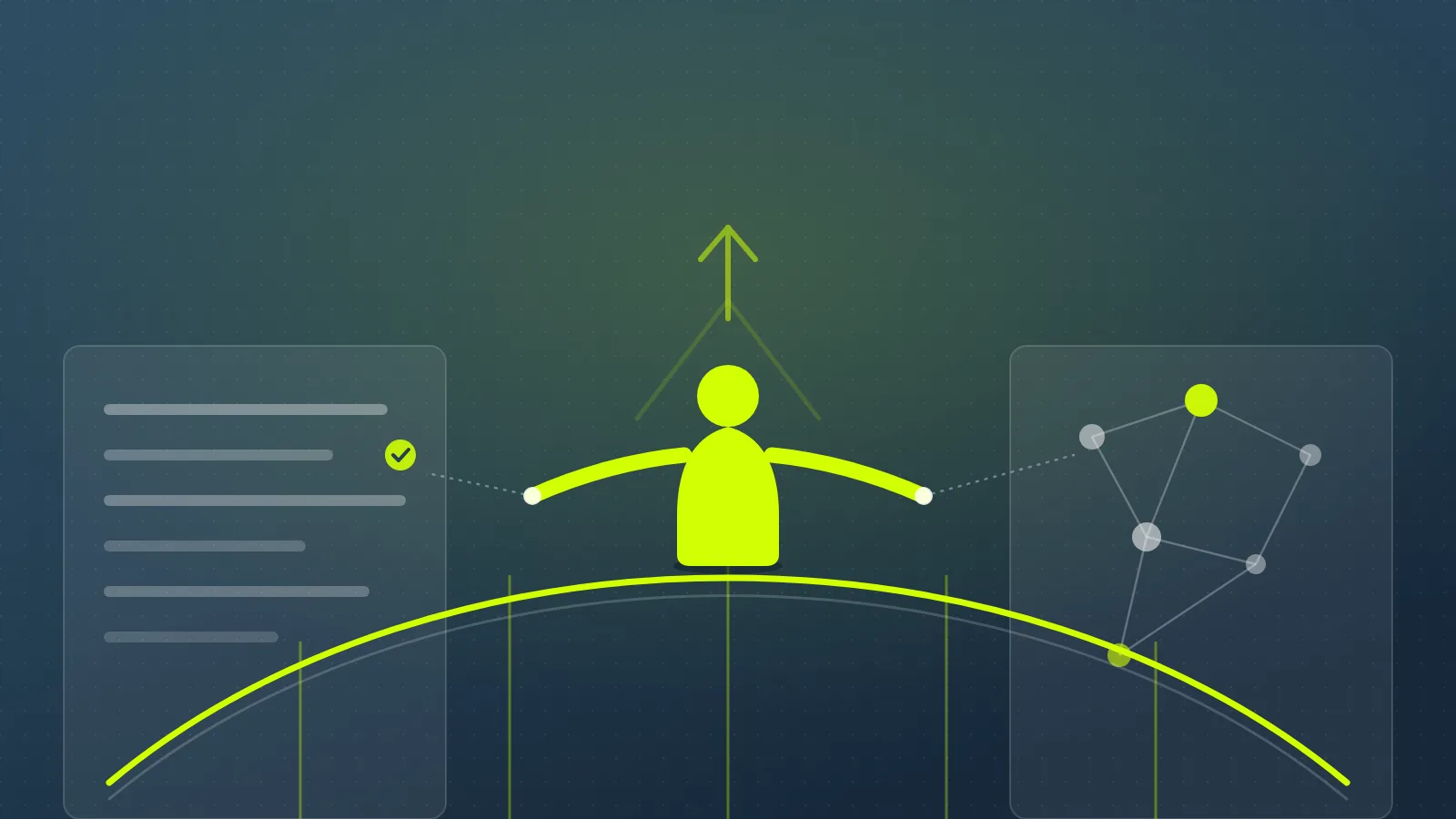
Een FDE verenigt twee beroepen die zelden in één persoon samenkomen. Aan de ene kant het vak van de adviseur: begrijpen hoe het werk in een organisatie écht loopt, wat het kost, waar de risico's zitten en wat mensen nodig hebben om een verandering te omarmen. Aan de andere kant het vak van de bouwer: software maken die betrouwbaar genoeg is om er bedrijfsprocessen aan toe te vertrouwen. Let wel: het gaat om het beste van beide werelden in één persoon - niet het gemiddelde.An FDE unites two professions that rarely come together in one person. On one side, the craft of the consultant: understanding how the work in an organisation really runs, what it costs, where the risks sit and what people need in order to embrace a change. On the other, the craft of the builder: making software reliable enough to entrust business processes to. Note: it is about the best of both worlds in one person - not the average.
In de praktijk doet een FDE wat een goede adviseur en een goede softwarebouwer los van elkaar niet voor elkaar krijgen: hij vertaalt bedrijfskennis rechtstreeks in werkende software - zonder dat er onderweg een rapport, een overdracht en drie misverstanden tussen zitten.In practice an FDE achieves what a good consultant and a good software builder cannot achieve separately: translating business knowledge directly into working software - without a report, a handover and three misunderstandings along the way.
Waarom organisaties deze functie nodig hebbenWhy organisations need this role
Volgens veelgeciteerd MIT-onderzoek mislukt zo'n 95% van de experimenten met generatieve AI. De oorzaak is zelden de technologie. Hij is bijna altijd dezelfde: AI wordt óveral opgeplakt in plaats van gericht ingezet. Het papieren proces blijkt bovendien niet het echte proces - „er komt een e-mail binnen" betekent in werkelijkheid veertig verschillende afzenders, elk met een eigen formaat, en uitzonderingen die alleen in het hoofd van één ervaren collega zitten. Wie daar niet eerst induikt, bouwt automatisering voor een werkelijkheid die niet bestaat. Iemand moet dus beslissen wáár intelligentie thuishoort - en waar nadrukkelijk niet. Dat is de FDE.According to widely cited MIT research, some 95% of generative-AI pilots fail. The cause is rarely the technology. It is almost always the same: AI gets pasted everywhere instead of deployed deliberately. Moreover, the process on paper turns out not to be the real process - "an email comes in" actually means forty different senders, each with its own format, and exceptions that live only in the head of one experienced colleague. Skip that step and you are building automation for a reality that does not exist. Someone has to decide where intelligence belongs - and where it emphatically does not. That is the FDE.
Wat levert het op?What is the value?
De waarde van een FDE is geen abstractie; hij is te meten op de drie knoppen waar elke organisatie aan draait:The value of an FDE is not an abstraction; it can be measured on the three dials every organisation turns:
Werk dat sneller en vaker af is: offertes die dezelfde dag de deur uit gaan, dossiers die niet blijven liggen.Work finished faster and more often: quotes out the same day, files that no longer sit waiting.
Repeterend werk verdwijnt uit de handen van dure professionals - die doen weer waar ze voor zijn opgeleid.Repetitive work leaves the hands of expensive professionals - who go back to doing what they were trained for.
Minder fouten en verrassingen en van elke geautomatiseerde stap is vastgelegd wat er gebeurde en waarom.Fewer errors and surprises, with a record of what happened at every automated step, and why.
En er is een vliegwiel-effect: wie één werkstroom goed verbetert, ziet meteen de volgende knelpunten liggen. De eerste geslaagde toepassing maakt de tweede makkelijker en de tiende bijna vanzelfsprekend.And there is a flywheel effect: improve one workflow properly and the next bottlenecks immediately come into view. The first successful application makes the second easier, and the tenth almost self-evident.
Zo werkt een FDE: drie fasenHow an FDE works: three phases
Doorgronden - meelopen waar het werk gebeurtUnderstand - walking along where the work happens
De FDE begint niet achter een scherm maar op de werkvloer: meekijken, doorvragen, meedraaien. Niet omdat het proces niet beschreven staat, maar omdat de beschrijving vrijwel nooit klopt met de praktijk - de uitzonderingen, de omwegen en de ongeschreven regels zitten in de hoofden van mensen. Deze doorlichting is vaak al meer waard dan wat er daarna gebouwd wordt: voor het eerst ligt zwart-op-wit hoe het werk werkelijk loopt en welke stappen verbetering verdienen.The FDE does not start behind a screen but on the work floor: observing, asking, joining in. Not because the process is undocumented, but because the documentation almost never matches practice - the exceptions, the detours and the unwritten rules live in people's heads. This examination is often worth more than what gets built afterwards: for the first time, how the work really runs - and which steps deserve improvement - is down in black and white.
Kiezen - waar hoort AI en waar juist nietChoose - where AI belongs, and where it does not
Dan volgt de belangrijkste beslissing en die is vooral: néé zeggen. Van een werkstroom met tien stappen hebben er vaak maar drie het oordeelsvermogen van AI nodig; de rest kan met vaste regels en op de beslismomenten die er echt toe doen blijft een mens aan de knop. Sommige processen moet je helemaal niet willen aanraken - te riskant of het levert te weinig op. Dit onderscheid maken vergt beide vakken tegelijk: je moet de bedrijfsrisico's kunnen wegen én weten wat de techniek aankan.Then comes the most important decision, which is mostly about saying no. Of a ten-step workflow, often only three steps need AI's judgement; the rest can run on fixed rules, and at the decision points that really matter a human stays at the controls. Some processes should not be touched at all - too risky, or too little to gain. Making that distinction takes both crafts at once: you must be able to weigh the business risks and know what the technology can handle.
Bouwen en invoeren - op wat er al staatBuild and deploy - on top of what is already there
Gebouwd wordt er bovenop de systemen die er al zijn - geen grote migratie, geen „alles moet anders". Het nieuwe systeem draait eerst mee náást de bestaande werkwijze, wordt vooraf getoetst op honderden echte gevallen en krijgt pas stap voor stap meer zelfstandigheid naarmate het zich bewijst. Alles wat het doet, wordt vastgelegd in een audittrail. En minstens zo belangrijk: de FDE blijft erbij tot de mensen die ermee moeten werken het vertrouwen - invoering is mensenwerk, geen technische handeling.Building happens on top of the systems already in place - no big migration, no "everything must change". The new system first runs alongside the existing way of working, is tested up front against hundreds of real cases, and only gains more autonomy step by step as it proves itself. Everything it does is recorded in an audit trail. Just as important: the FDE stays involved until the people who have to work with it trust it - adoption is people work, not a technical act.
Je beste kandidaten werken al bij jeYour best candidates already work for you
Hier zit het goede nieuws voor elke organisatie die geen Amerikaanse topsalarissen wil betalen: de helft van de functie - de bedrijfskant - hebben je eigen mensen al in huis. De medewerker die elk knelpunt in het proces kent, de teamleider die weet waarom de uitzondering van vorige maand zo lastig was: dat is precies de kennis waar een buitenstaander maanden over doet. De technische helft is te leren, zeker nu AI zelf het bouwen zoveel toegankelijker maakt.Here is the good news for every organisation unwilling to pay American top salaries: half of the role - the business half - your own people already have. The employee who knows every bottleneck in the process, the team lead who knows why last month's exception was so awkward: that is exactly the knowledge an outsider needs months to acquire. The technical half can be learned - especially now that AI itself has made building so much more accessible.
Zo'n interne groeiroute kan verrassend compact zijn. Een beproefd pad in vier stappen:Such an internal growth path can be surprisingly compact. A proven four-step route:
- Stap 1Step 1
Bouw met moderne AI-hulpmiddelen een eerste eigen agent voor één overzichtelijke taak - inclusief vangrails en een logboek van wat hij doet.Use modern AI tools to build a first agent for one manageable task - including guardrails and a log of what it does.
- Stap 2Step 2
Maak hem bestand tegen de werkelijkheid: niet alleen het pad waarop alles goedgaat, maar juist de duizend-en-één manieren waarop het mis kan gaan.Make it withstand reality: not just the path where everything goes right, but the thousand-and-one ways things can go wrong.
- Stap 3Step 3
Maak het resultaat meetbaar: wat scheelt het aan tijd, fouten en geld? Kan een goedkoper model hetzelfde werk aan?Make the result measurable: what does it save in time, errors and money? Can a cheaper model handle the same work?
- Stap 4Step 4
Leer het verhaal op twee manieren vertellen: als bouwer (hoe zit het in elkaar) én als bestuurder (welk probleem is opgelost, wat is het bewijs, wat was het risico).Learn to tell the story two ways: as the builder (how it works) and as the executive (what problem was solved, what is the evidence, what was the risk).
Waarom dit essentieel is? Omdat de brugfunctie anders onbezet blijft - en dan blijft AI steken in losse experimenten. De organisaties die deze rol wél invullen, bepalen de komende jaren het tempo in hun sector. Wachten tot je een kant-en-klare FDE kunt inhuren is een dure strategie: de vraag is wereldwijd vele malen groter dan het aanbod en een buitenstaander mist juist de bedrijfskennis die de helft van de functie uitmaakt.Why is this essential? Because otherwise the bridging role stays vacant - and AI remains stuck in scattered experiments. The organisations that do fill this role will set the pace in their sector for years to come. Waiting until you can hire a ready-made FDE is an expensive strategy: worldwide demand far outstrips supply, and an outsider lacks precisely the business knowledge that makes up half the role.
Wat WIDE hierin kan betekenenWhat WIDE can do here
Bij WIDE is de FDE-rol geen theorie maar onze dagelijkse werkwijze. We zijn bewust een compact team - Wil, Dennis, Vais en Gus, met een flexibele schil van freelancers eromheen - dat precies op deze brug opereert: we lopen mee op de werkvloer, kiezen samen met de klant waar AI thuishoort en waar niet, en bouwen agents die zijn omgeven door een harnas van vakkennis, beheersing en security by design. Klein genoeg om naast je mensen te staan, ervaren genoeg om het ook te bouwen.At WIDE, the FDE role is not theory but our daily way of working. We are deliberately a compact team - Wil, Dennis, Vais and Gus, with a flexible ring of freelancers around us - operating exactly on this bridge: we walk the work floor, decide together with the client where AI belongs and where it does not, and build agents surrounded by a harness of domain expertise, command and security by design. Small enough to stand next to your people, experienced enough to build it too.
- De doorlichting. We nemen één werkstroom grondig onder de loep en leveren een eerlijk oordeel: wat verdient AI, wat kan met vaste regels en wat moet je vooral laten zoals het is - met de verwachte opbrengst erbij.The examination. We take one workflow thoroughly apart and deliver an honest verdict: what deserves AI, what can run on fixed rules, and what you should leave exactly as it is - expected returns included.
- Samen bouwen. We bouwen op de systemen die je al hebt, laten het nieuwe eerst meedraaien naast het bestaande en dragen niets over dat zich niet bewezen heeft.Building together. We build on the systems you already have, run the new alongside the old first, and hand over nothing that has not proven itself.
- Je mensen meenemen. We werken van dag één samen met jouw proceskenners, zodat de FDE-rol ín je organisatie ontstaat. Ons doel is onszelf stap voor stap overbodig te maken - de kennis blijft bij jou.Bringing your people along. From day one we work with your process experts, so the FDE role takes root inside your organisation. Our goal is to make ourselves redundant step by step - the knowledge stays with you.
Benieuwd wat de brugfunctie in jouw organisatie zou opleveren? Mail Dennis voor een verkennend gesprek.Curious what the bridging role would deliver in your organisation? Email Dennis for an exploratory conversation.
Dit artikel is geïnspireerd op een recente Amerikaanse vakpodcast over de opkomst van forward deployed engineering; de term FDE stamt uit de praktijk van Palantir. Het genoemde onderzoekscijfer (95%) komt uit veelgeciteerd MIT-onderzoek naar generatieve-AI-pilots.This article was inspired by a recent American industry podcast on the rise of forward deployed engineering; the term FDE originates from Palantir's practice. The research figure cited (95%) comes from widely quoted MIT research into generative-AI pilots.